1 Rare Loss to Great Treasure in Diu reveals how an exiled African tree species transformed into a legendary local treasure.
Thank you for reading this post, don't forget to subscribe!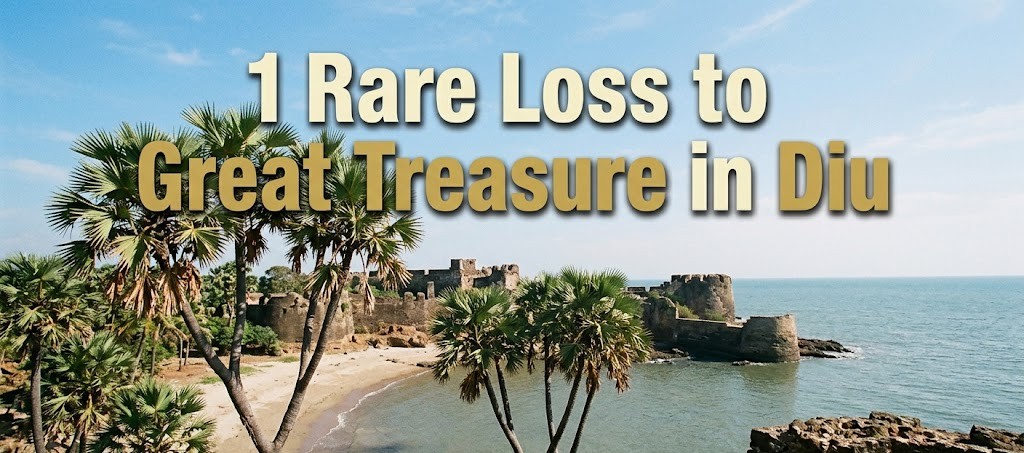
1 Rare Loss to Great Treasure in Diu: The Untold Saga of India’s Most Peculiar Island
Diu is often celebrated for its sun-kissed beaches, pristine waters, and laid-back coastal charm. Yet, beneath its popular tourist facade lies a deeply layered history shaped by ancient mythology, maritime trade, and botanical anomalies. The story of this serene island off the coast of Gujarat is ultimately a story of transformation—how hardship, displacement, and upheaval eventually gave rise to a rich cultural and natural heritage. Understanding the narrative of 1 Rare Loss to Great Treasure in Diu reveals an island experience far richer than standard travel brochures ever suggest.
The Ecological Mystery of the African Hoka Tree
;1 Rare Loss to Great Treasure in Diu
While most travelers flock to Diu for its colonial architecture, botanists and nature enthusiasts are drawn by a completely different marvel: the Hoka tree (Hyphaene thebaica), also known as the Gingerbread palm. Diu is the only place in India—and one of the very few places outside Africa—where these unusual, branching palm trees grow naturally in abundance.
From African Shores to Arabian Seas
The presence of the Hoka tree in Diu is a living testimonial to ancient Indian Ocean trade routes. Native to the Nile Valley and eastern Africa, these palms did not migrate naturally across the ocean. Historians and botanists believe the seeds were brought over centuries ago by Portuguese sailors, Arab traders, or African soldiers and laborers who traversed the Arabian Sea.
What began as a journey of displacement—whether through maritime accidents, exiled sailors, or forced labor—gradually rooted itself into the rocky soil of the island. This ecological journey perfectly encapsulates 1 Rare Loss to Great Treasure in Diu, as a seed taken far from its native African habitat adapted to survive and flourish in a completely new world.
Why the Hoka Tree is a Botanical Wonder :1 Rare Loss to Great Treasure in Diu
Unlike common coconut or date palms that grow in a single straight trunk, the Hoka palm branches out repeatedly into multiple forks, creating an eccentric, sprawling silhouette against the coastal skyline.
- Distinctive Shape: Its branching structure makes it instantly recognizable against the Arabian Sea backdrop.
- Edible Fruit: The tree produces a fibrous fruit with a sweet, gingerbread-like taste, traditionally harvested by locals.
- Local Identity: Over the centuries, the tree has become an essential symbol of Diu’s natural identity, protected by locals and revered by visiting naturalists.
Historical Upheaval and Colonial Crossroads
The story of Diu is inextricably linked to the high-stakes geopolitical struggles of the 16th century, when European powers aggressively expanded into Asian trade networks.
The Portuguese Conquest and Maritime Battles
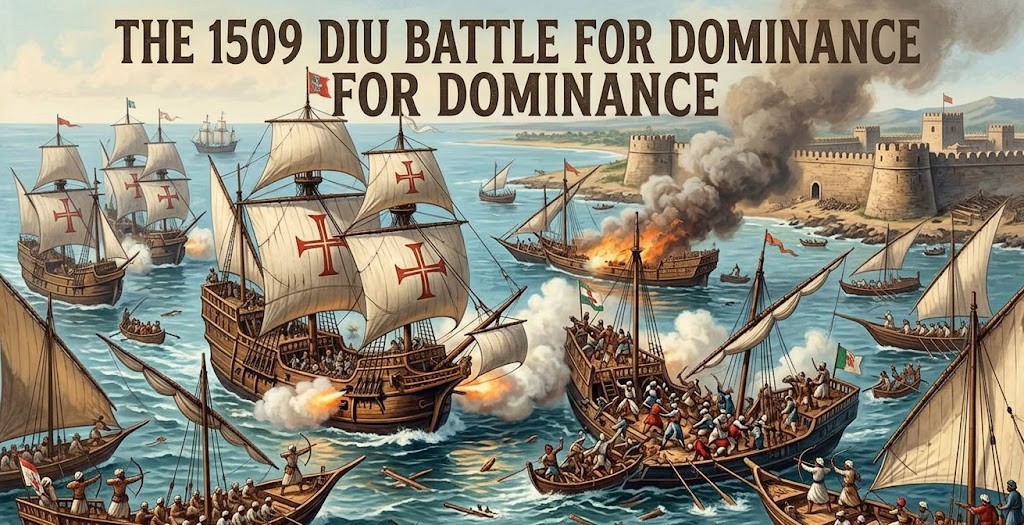
In the early 1500s, the Sultanate of Gujarat held sway over the region. Recognizing Diu’s strategic position guarding the Gulf of Khambhat, the Portuguese crown launched multiple naval expeditions to seize control of the island’s vital maritime routes. The conflict culminated in tragedy, political betrayal, and the death of Sultan Bahadur Shah during negotiations in 1537.
The loss of local sovereignty was severe, yet the defensive walls, sea forts, and naval infrastructure constructed in the aftermath redefined the landscape. Looking back through the lens of history, the transition highlights 1 Rare Loss to Great Treasure in Diu, as centuries of conflict ultimately forged an irreplaceable architectural sanctuary that draws visitors from across the globe today.
Architectural Echoes: Forts, Churches, and Caves
The colonial footprint left behind in Diu is distinct from anywhere else in western India.
- Diu Fort: A towering stone citadel surrounded by sea on three sides, complete with ancient cannons, defense bastions, and a lighthouse overlooking the expanse of the ocean.
- St. Paul’s Church: A masterpiece of Baroque architecture adorned with intricate wood carvings and detailed plasterwork, remaining an active center of faith and heritage.
- Naida Caves: A labyrinthine network of rock-cut caverns formed by Portuguese stone quarrying, where natural sunlight filters through overgrown tree roots to create an ethereal atmosphere.
Legends, Faith, and Cultural Fusion
Beyond its colonial history, Diu holds deep spiritual roots that stretch back to ancient Indian epics and early religious migrations.
The Mythical Roots of Jalandhar Kshetra
Long before European ships arrived on its shores, ancient texts referred to the island as Jalandhar Kshetra. According to Hindu mythology, the island was the domain of the demon king Jalandhar, who was defeated by Lord Vishnu. The famous Chakra Tirtha beach marks the sacred spot where Lord Vishnu is believed to have used his Sudarshan Chakra.
This blend of ancient lore gives Diu a dual identity—a sacred landscape for pilgrims alongside its colonial history. The preservation of these ancient shrines despite centuries of foreign rule stands as another powerful testament to 1 Rare Loss to Great Treasure in Diu.
The Parsi Connection: A Haven of Sanctuary
Historical accounts suggest that when Persian Zoroastrians fled persecution in the 8th century, Diu was one of their initial landing sites in India. Though they eventually moved south to settle in Sanjan, their stay on the island marked a crucial chapter in their survival narrative. This historical refuge underscores how the island frequently served as a sanctuary during times of global exile and transition.
Modern Diu as a Living Heritage Destination
Today, Diu balances its rich past with a calm, inviting present. Travelers seeking an alternative to crowded commercial beach destinations find solace in its slow-paced coastal atmosphere.
Off the Beaten Path: Exploring Beyond the Tourist Trail
To truly appreciate the island’s unique charm, one must venture beyond the popular beaches like Nagoa and Ghoghla:
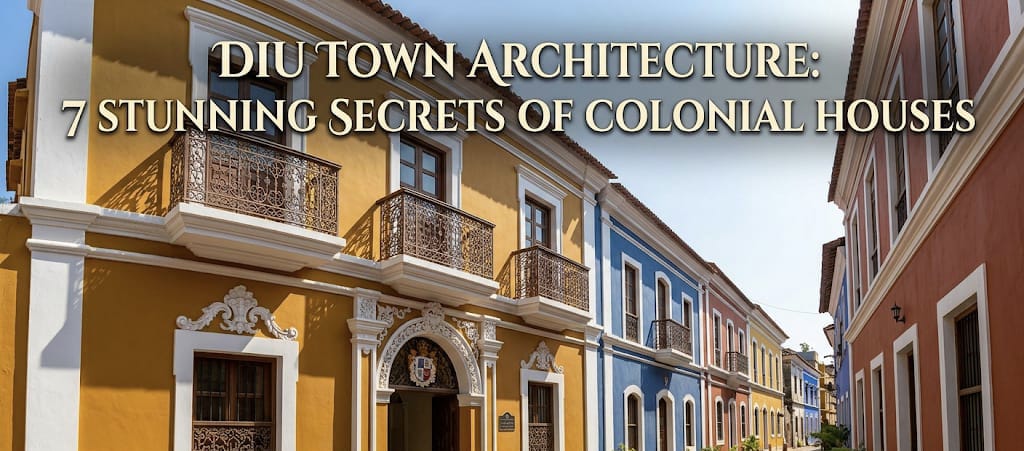
- Stroll the Portuguese Quarters: Walk through quiet residential lanes lined with colorful pastel houses, wooden balconies, and vintage street lamps.
- Explore the Hoka Groves: Visit the protected groves where these rare African palms create shaded, rustling sanctuaries near the coast.
- Observe Local Artisans: Discover traditional crafts and seafood culinary traditions that merge Gujarati flavors with Portuguese influences.
Preserving the Island’s Legacy
As modern tourism grows, local authorities and conservationists are increasingly focused on preserving both the built heritage and the delicate coastal ecosystem. Protecting the Hoka trees, maintaining the historic fort walls, and keeping the beaches clean ensures that future generations can experience the depth of the island’s story.
Conclusion: Embracing the Legacy
Diu’s identity is defined by resilience and transformation. From African palm seeds adapting to Indian soil, to ancient sanctuaries enduring through colonial rule, the island shows how historical shifts can create lasting wonder. Exploring the full narrative behind 1 Rare Loss to Great Treasure in Diu reveals that the island’s true beauty lies not just in its coastal vistas, but in the extraordinary histories hidden in plain sight.