The 1509 Diu Battle for Dominance reshaped global naval power and Indian Ocean trade,
Thank you for reading this post, don't forget to subscribe!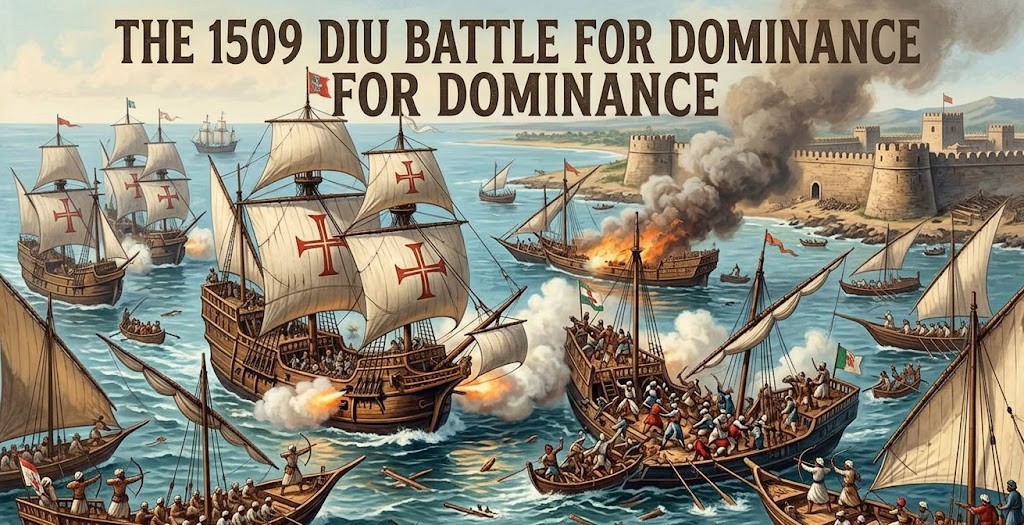
1. Deep Dive into Naval Tactics of The 1509 Diu Battle for Dominance
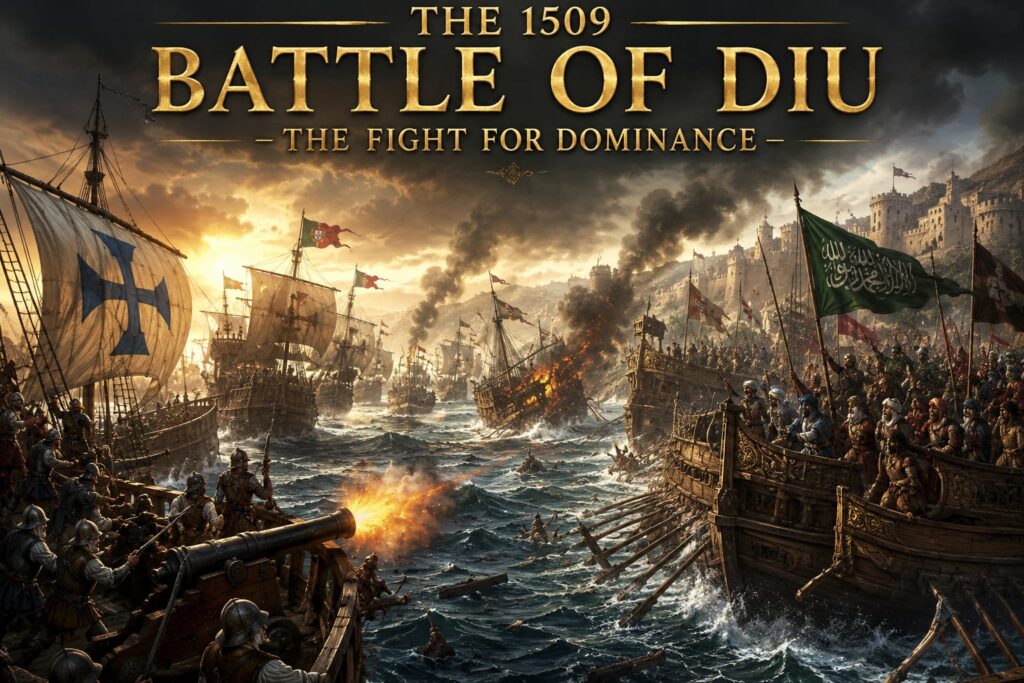
To appreciate why The 1509 Diu Battle for Dominance served as a watershed moment in military history, one must analyze the stark contrast in naval warfare doctrines between the opposing fleets. Prior to 1509, ocean warfare in the Indian Ocean and Mediterranean was primarily centered around boarding actions, troop transport, and close-quarters hand-to-hand combat.
The Ottoman-Mamluk Fighting Style in The 1509 Diu Battle for Dominance
Conversely, the Allied coalition deployed an array of regional vessel types during The 1509 Diu Battle for Dominance that reflected traditional Mediterranean and Indian Ocean tactical methods:
+-----------------------------------------------------------------------+
|                 EVOLUTION OF INDIAN OCEAN NAVAL TACTICS                |
+-----------------------------------------------------------------------+
| PRE-1509: Boarding Actions  --->  1509 TRANSITION: Long-Range Artillery|
| - High troop counts                - Broadside cannon barrages        |
| - Light galleys & dhows            - Heavy wooden hull construction   |
| - Swivel guns for anti-personnel   - Sinking ships before contact     |
+-----------------------------------------------------------------------+
The Technological Superiority in The 1509 Diu Battle for Dominance
The Portuguese armada introduced revolutionary technological changes to the Arabian Sea during The 1509 Diu Battle for Dominance:
- Heavy Hull Construction: Portuguese naus (carracks) were constructed using thick oak and teak planks, reinforced with iron bolts. These massive hulls could absorb impact from small-caliber enemy guns while supporting the immense weight of bronze cannons.
- Carronades and Hull-Mounted Ports: Instead of mounting small guns on upper decks, Portuguese engineers placed heavy recoil cannons lower on the hull. This allowed broadside bombardments that could shatter wooden hulls from several hundred meters away.
- Professional Gunnery Corps: Unlike medieval fleets where soldiers double-served as gunners, the Portuguese fleet carried specialized, highly trained gunners capable of fast reloading and precise targeting even on rough seas.
The Ottoman-Mamluk Fighting Style in The 1509 Diu Battle for Dominance
Conversely, the Allied coalition deployed an array of vessel types during The 1509 Diu Battle for Dominance that reflected Mediterranean and Indian Ocean traditions:
- Mamluk Galleys: Driven by oarsmen, these sleek vessels were fast and maneuverable in calm coastal waters, but vulnerable to heavy broadside fire in open channels.
- Gujarati Dhows: Traditional wooden vessels built without iron nails, using sewn ropes instead. While flexible in monsoonal waters, they easily splintered under heavy iron cannonball fire.
- Massed Troop Deployments: The coalition carried thousands of janissaries, archers, and armored infantry, aiming to grapple Portuguese ships and eliminate crew members through superior numbers.
When Francisco de Almeida chose to fight in the channel opening during The 1509 Diu Battle for Dominance, he effectively forced the coalition into a narrow bottleneck where their numerical advantage was neutralized, making them prime targets for concentrated Portuguese artillery fire.
2. Strategic Profiles of Key Commanders in The 1509 Diu Battle for Dominance
The human element of The 1509 Diu Battle for Dominance played a central role in its execution and outcome. The leaders on both sides brought contrasting motivations, tactical experience, and regional interests to the battle.
Dom Francisco de Almeida and The 1509 Diu Battle for Dominance
Dom Francisco de Almeida was the first Viceroy of Portuguese India. A seasoned veteran of the Reconquista in Europe, Almeida held a clear naval philosophy known as the “Policy of Sea Supremacy”. He believed Portugal should avoid territorial conquests on land and instead control key naval choke points across the high seas.
- Personal Motivation: The death of his son, Dom Lourenço de Almeida, at the Battle of Chaul in 1508 transformed the campaign into a deeply personal mission of vengeance.
- Command Style: Decisive, aggressive, and uncompromising. Almeida refused to relinquish his title to his successor, Afonso de Albuquerque, until he had led his fleet into The 1509 Diu Battle for Dominance and destroyed the Mamluk-Gujarati fleet.
Amir Husain al-Kurdi and The 1509 Diu Battle for Dominance
Amir Husain al-Kurdi (known to Europeans as Mirocem) was an experienced governor of Jeddah sent by the Mamluk Sultan of Cairo, Al-Ashraf Janbalat.
- Strategic Challenge: Husain faced severe logistical constraints while organizing the coalition during The 1509 Diu Battle for Dominance. Ship timber had to be transported overland from the forests of Lebanon across the Egyptian desert to the Red Sea, where warships were assembled before sailing to India.
- Tactical Focus: Husain relied heavily on disciplined Ottoman gunners and Janissary archers, but his forces suffered from lack of supply lines and friction with local Indian allies.
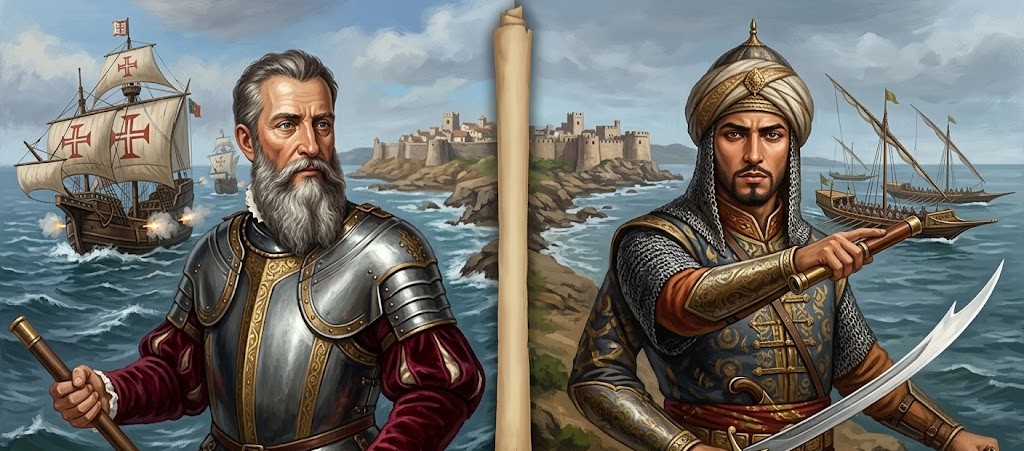
Malik Ayyaz and The 1509 Diu Battle for Dominance
Malik Ayyaz, a former slave of Georgian or Dalmatian origin who rose to become the Governor of Diu under Sultan Mahmud Begada of Gujarat, was a pragmatic strategist.
- Defensive Pragmatism: Recognizing the destructive power of Portuguese naval artillery, Ayyaz advocated for defensive positions near shore batteries rather than open-sea engagements during The 1509 Diu Battle for Dominance.
- Diplomatic Realism: Following the coalition’s defeat in The 1509 Diu Battle for Dominance, Ayyaz quickly negotiated terms with Almeida to protect Diu from complete destruction, demonstrating his ability to pivot between warfare and diplomacy.
3. Hour-by-Hour Timeline of The 1509 Diu Battle for Dominance
To fully visualize how The 1509 Diu Battle for Dominance unfolded, the following breakdown traces the crucial tactical phases on February 3, 1509:
[08:00 AM] Portuguese Armada approaches Diu Harbor Channel.
     │
[09:30 AM] Coalition Shore Batteries and Mamluk Ships open initial fire.
     │
[11:00 AM] Portuguese Flagship 'S. Job' breaches the harbor choke point.
     │
[01:00 PM] Intense Boarding Operations on Mamluk Flagships begin.
     │
[03:30 PM] Allied Fleet breaks formation; Gujarati & Calicut craft retreat.
     │
[05:00 PM] Portuguese secure total victory; remnant coalition fleet destroyed.
Morning Engagement Phase in The 1509 Diu Battle for Dominance
- 08:00 AM – Approaching the Channel: The Portuguese fleet, riding the morning tide and winds, lined up in tight formation to enter the channel off Diu Island.
- 09:30 AM – Initial Cannonade: Allied shore batteries on Diu Fort and anchored Mamluk galleys opened fire. However, the elevation of shore guns caused many shots to overshoot Portuguese vessels.
- 11:00 AM – Breaching the Defense: The flagship S. Job, under Almeida’s direct command, sailed through the incoming barrage and dropped anchor alongside the primary Mamluk flagships, firing point-blank broadsides.
Afternoon Decisive Phase in The 1509 Diu Battle for Dominance
- 01:00 PM – The Hand-to-Hand Melee: Portuguese soldiers, heavily armored in plate mail and armed with broadswords and pikes, boarded the Mamluk galleys. High casualties were inflicted on both sides during fierce fighting on the decks.
- 03:30 PM – Collapse of Coalition Lines: As the primary Mamluk warships were crippled or captured, light Gujarati dhows and Calicut war boats began breaking formation to flee toward the shallow waters where Portuguese carracks could not follow.
- 05:00 PM – End of Engagement: By late afternoon, smoke cleared over Diu harbor. The combined fleet was effectively destroyed, securing a historic outcome for The 1509 Diu Battle for Dominance.
4. Economic Aftermath and Trade Realignments After The 1509 Diu Battle for Dominance
The economic ramifications of The 1509 Diu Battle for Dominance were immediate and far-reaching, triggering a global transformation in trade dynamics that lasted for centuries.
+-------------------------------------------------------------------------+
|                  GLOBAL TRADE REALIGNMENT POST-1509                     |
+-------------------------------------------------------------------------+
| OLD OVERLAND & RED SEA ROUTE           NEW CAPE ROUTE (PORTUGUESE)      |
| Spice Origin (India)                   Spice Origin (India)             |
|   ├──> Red Sea / Persian Gulf            └──> Cape of Good Hope         |
|   ├──> Mamluk / Ottoman Duties             └──> Direct Atlantic Route   |
|   ├──> Venetian Traders (Europe)             └──> Lisbon Commercial Hub |
|   └──> High Consumer Costs                   └──> Competitive Pricing   |
+-------------------------------------------------------------------------+
The Fall of Venetian and Mamluk Monopolies After The 1509 Diu Battle for Dominance
For centuries, the spice trade followed a long chain of middlemen:
- Indian growers sold pepper and spices to Arab traders.
- Arab merchants shipped goods across the Arabian Sea to Red Sea ports.
- Mamluk rulers levied heavy tariffs on goods moving through Egypt.
- Venetian merchants purchased spices in Alexandria and resold them across Europe at inflated prices.
Following The 1509 Diu Battle for Dominance, Portugal enforced a naval blockade across the entrance to the Red Sea. The supply of spices reaching Venice plummeted, causing severe economic disruption across Mediterranean trading networks.
The Rise of Lisbon as a Global Trade Capital After The 1509 Diu Battle for Dominance
With the traditional spice routes blocked, Lisbon became the premier spice hub of Europe.
- Direct Atlantic Route: Portuguese ships carried pepper, cinnamon, and nutmeg directly around Africa’s Cape of Good Hope to Europe.
- Price Competitiveness: By cutting out Venetian and Mamluk tariffs, the Portuguese Crown sold spices at lower costs while generating immense wealth for the royal treasury.
- The Cartaz System: Any merchant vessel operating in the Indian Ocean was forced to purchase a cartaz (passport) from Portuguese fortresses, effectively taxing all regional maritime trade.
5. The Evolution of Diu Fortress After The 1509 Diu Battle for Dominance
Though The 1509 Diu Battle for Dominance was fought at sea, its geopolitical repercussions led directly to the physical transformation of Diu Island into an impregnable military stronghold.
The Treaty of 1535 and Fortress Construction Following The 1509 Diu Battle for Dominance
In the decades following The 1509 Diu Battle for Dominance, the Gujarat Sultanate faced rising military pressure from the expanding Mughal Empire under Emperor Humayun. In 1535, Sultan Bahadur Shah turned to the Portuguese for military protection, signing a treaty that granted them permission to build a permanent stone fortress on Diu Island.
+---------------------------------------------------------------------+
|                      DIU FORT ARCHITECTURAL LAYOUT                  |
+---------------------------------------------------------------------+
|                              ARABIAN SEA                            |
|     ~~~~~~~~~~~~~~~~~~~~~~~~~~~~~~~~~~~~~~~~~~~~~~~~~~~~~~~~~~      |
|     [ Sea Wall ] ── [ Sea Bastion ] ── [ Lighthouse Tower ]         |
|     ─────────────────────────────────────────────────────────       |
|     |                     INTERNAL CITADEL                  |       |
|     |   - Governor's Palace           - Barracks            |       |
|     |   - St. Paul's Church           - Ammunition Depots   |       |
|     ─────────────────────────────────────────────────────────       |
|     [ Deep Moat ] ── [ Drawbridge ] ── [ Outer City Ramparts ]       |
+---------------------------------------------------------------------+
Architectural Elements of Diu Fort Born From The 1509 Diu Battle for Dominance
The resulting fortress incorporates military engineering principles designed to prevent both sea-based invasions and land assaults:
- Triple-Line Defense Systems: Surrounded by sea on three sides, the fortress features outer stone ramparts, an inner citadel, and heavy sea-facing artillery positions.
- The Moat: A deep, hand-carved stone moat separates the fortress from Diu city, filling with seawater during high tide to block land assaults.
- Subterranean Tunnels: Networked underground passages allowed defenders to move ammunition, water, and troops securely during extended sieges.
Diu Fort survived major sieges in 1538 and 1546 by combined Ottoman-Gujarati forces, proving the strategic value established during The 1509 Diu Battle for Dominance.
6. Comparative Analysis: The 1509 Diu Battle for Dominance vs. Other Historic Naval Conflicts
To appreciate the strategic significance of The 1509 Diu Battle for Dominance, it is helpful to compare it alongside other major naval battles in world history:
Global Naval Battle Comparison
| Feature / Metric | The 1509 Diu Battle for Dominance | Battle of Actium (31 BC) | Battle of Lepanto (1571) | Battle of Trafalgar (1805) |
| Location | Arabian Sea (Diu, India) | Ionian Sea (Greece) | Gulf of Patras (Greece) | Atlantic Coast (Spain) |
| Key Opponents | Portugal vs. Mamluk/Ottoman/Gujarat | Octavian vs. Mark Antony/Cleopatra | Holy League vs. Ottoman Empire | Britain vs. France/Spain |
| Primary Warfare Type | Heavy Naval Artillery vs. Galleys | Ramming & Boarding Actions | Galley Boarding & Broadside | Line-of-Battle Cannon Fire |
| Geopolitical Outcome | Established European Era in Asia | Founded the Roman Empire | Checked Ottoman Expansion | Secured British Sea Power |
| Historical Significance | Shifted Global Trade to Atlantic | Shifted Republic to Empire | Secured Western Mediterranean | Defined 19th Century Empire |
Key Takeaways from the Comparison of The 1509 Diu Battle for Dominance
- First True Oceanic Firepower Clash: Unlike Actium or Lepanto, which relied primarily on rowing galleys and boarding, The 1509 Diu Battle for Dominance was the first major battle won through ship-borne broadside artillery on open ocean waters.
- Global Scope: While Lepanto and Trafalgar shaped European power balances, The 1509 Diu Battle for Dominance connected Europe, Africa, and Asia, establishing the first global maritime empire.
7. Socio-Cultural Impact on Diu Island Following The 1509 Diu Battle for Dominance
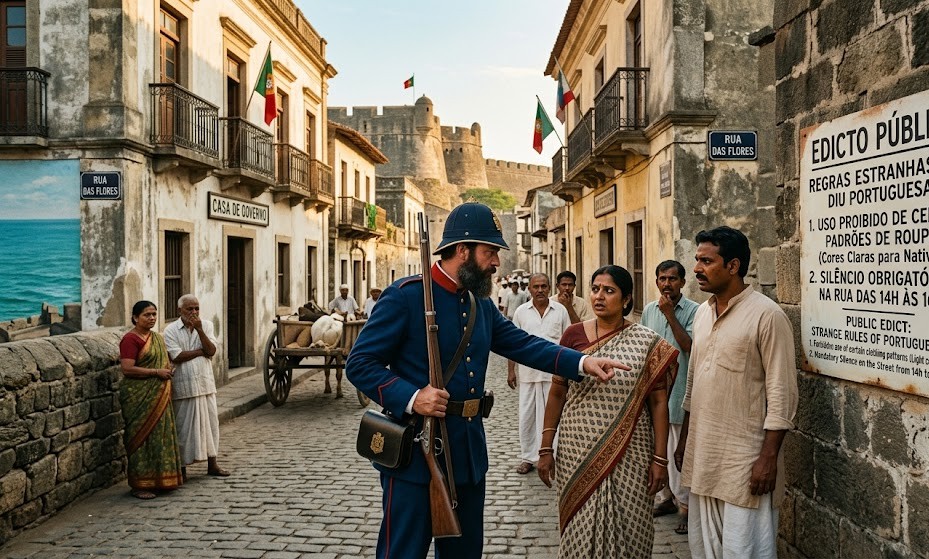
The victory secured in The 1509 Diu Battle for Dominance established over 450 years of Portuguese influence on Diu Island, lasting until 1961. This extended period created a rich cultural synthesis visible in the island’s architecture, language, cuisine, and local traditions.
Architectural Harmony Stemming From The 1509 Diu Battle for Dominance
Diu’s modern urban landscape reflects a blending of European Baroque architecture and regional Gujarati craftsmanship:
- St. Paul’s Church: Built between 1601 and 1610, this church features elaborate shell motifs and woodcarvings crafted by local Gujarati artisans under Portuguese patronage.
- Church of St. Francis of Assisi: Built in 1593, this structure served as a Franciscan monastery and now stands as a protected historical site overlooking the Arabian Sea.
- Nagar Sheth Havellis: Elegant residential mansions in Diu city that feature Portuguese arched doorways, ornate balconies, and traditional Indian inner courtyards.
Linguistic and Culinary Fusion After The 1509 Diu Battle for Dominance
Centuries of intercultural contact transformed daily life on Diu Island:
- Linguistic Blending: Local Portuguese Creole (Língua da Casa) was spoken for centuries across Diu, leaving traces of Portuguese vocabulary in the Gujarati dialect spoken on the island today.
- Culinary Heritage: Diuese cuisine uniquely combines Gujarati seafood preparation with Portuguese ingredients. Iconic dishes like Coelho à Portuguesa (Portuguese-style prepared meats) and local seafood stews seasoned with regional Indian spices reflect this dual heritage.
8. Modern Heritage and Tourism: Experiencing The 1509 Diu Battle for Dominance Today
For travelers, historians, and heritage enthusiasts, Diu Island offers a well-preserved window into maritime history. Exploring the physical sites associated with The 1509 Diu Battle for Dominance provides a tangible connection to the past.
+---------------------------------------------------------------------+
|                      HISTORICAL WALKING TOUR OF DIU                 |
+---------------------------------------------------------------------+
| START: Diu Fort Ramparts (Overlooking the 1509 Battle Waters)       |
|   │                                                                 |
|   ├──> Fortress Cannons & Lighthouse                                |
|   ├──> St. Paul's Church & Jesuit Complex                           |
|   ├──> Zampa Gateway (Historical City Entrance)                     |
|   └──> Gangeshwar Mahadev Temple (Sea-Washed Shiva Lingas)         |
+---------------------------------------------------------------------+
Must-Visit Historical Landmarks Linked to The 1509 Diu Battle for Dominance
- Diu Fort Ramparts: Walk along the stone battlements where historical cannons still face out toward the channel where The 1509 Diu Battle for Dominance was fought.
- Pani Kotha (Fortim do Mar): A stone fortress structure built in the middle of the sea bay, serving as a lighthouse and defensive outpost guarding the harbor entrance.
- The Shell Museum: Features an extensive collection of marine shells, serving as a reminder of Diu’s deep maritime identity.
- Gangeshwar Mahadev Temple: Located along the southern coast, where five Lingas are washed daily by tidal waves, embodying the ancient Puranic identity (Jalandhar Kshetra) that predates colonial history.
9. Frequently Asked Questions About The 1509 Diu Battle for Dominance
Why is The 1509 Diu Battle for Dominance considered a major turning point in world history?
The 1509 Diu Battle for Dominance broke the long-standing Arab and Venetian monopoly over spice trade routes in the Indian Ocean. By winning this decisive battle, Portugal established direct control over maritime commerce, opening the era of European colonial expansion across Asia.
Who were the main commanders in The 1509 Diu Battle for Dominance?
The Portuguese fleet was led by Viceroy Dom Francisco de Almeida. The Allied coalition was led by Amir Husain al-Kurdi (representing Mamluk Egypt) and Malik Ayyaz (Governor of Diu under the Gujarat Sultanate), supported by forces from the Ottoman Empire and Calicut.
How did artillery influence the outcome of The 1509 Diu Battle for Dominance?
Portugal utilized heavy, hull-mounted iron and bronze cannons capable of firing devastating broadside barrages from a distance. The coalition relied primarily on boarding tactics and lighter guns, which left their vessels vulnerable to Portuguese long-range firepower.
What was the long-term impact of The 1509 Diu Battle for Dominance on Diu Island?
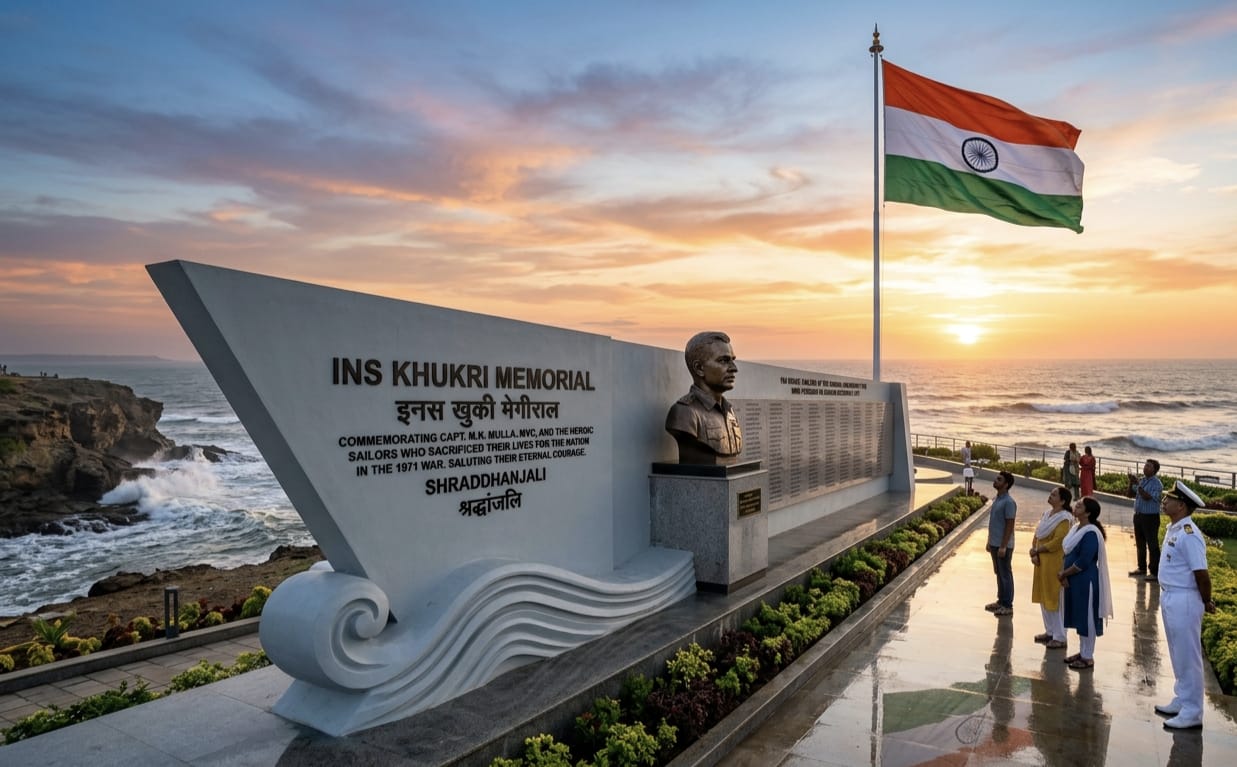
The victory laid the groundwork for Portuguese control over Diu, leading to the construction of Diu Fort in 1535 and establishing over 450 years of Portuguese rule, which ended when Diu was liberated by India in 1961.
10. Conclusion: The Lasting Legacy of The 1509 Diu Battle for Dominance
The 1509 Diu Battle for Dominance was far more than a localized naval conflict fought in the waters off Gujarat. It was an event that altered global power structures, reshaped trade networks between continents, and marked the start of modern maritime warfare.
From the quiet ramparts of Diu Fort to the global trade routes that connect continents today, the echoes of The 1509 Diu Battle for Dominance continue to resonate—a testament to the day when a single naval battle redefined world history.