
Discover the incredible secrets behind the 400-Year-Old Rukhda Tree, Diu’s most breathtaking African giant. Learn how this massive baobab got here and why it mystifies travelers today!
Thank you for reading this post, don't forget to subscribe!The 400-Year-Old Rukhda Tree: Diu’s Most Breathtaking African Gian
The 400-Year-Old Rukhda Tree: Diu’s Most Breathtaking African Gian
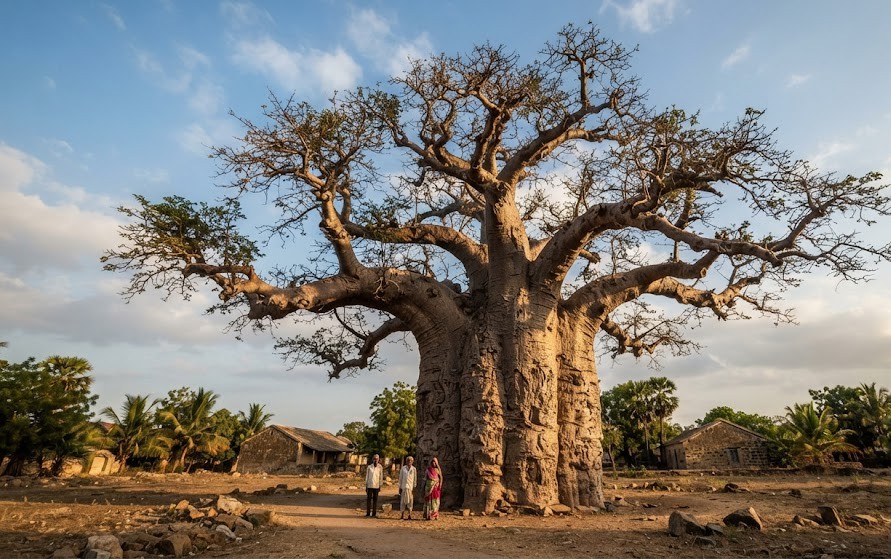
The 400-Year-Old Rukhda Tree: Diu’s Most Breathtaking African Giant
Standing as a silent sentinel on the island of Diu, the 400-Year-Old Rukhda Tree is more than just a botanical marvel; it is a living bridge between continents and centuries. Known locally as the “Rukhda,” this magnificent specimen is a Baobab (Adansonia digitata), a species native to the African continent. Its presence in this coastal Indian territory sparks intrigue among botanists, historians, and travelers alike, marking it as one of the most unique natural landmarks in the region.
The Origins of the Baobab in Diu
The 400-Year-Old Rukhda Tree: Diu’s Most Breathtaking African Gian
How did an African giant find its home on a small island off the coast of Gujarat? The answer lies in the rich, maritime history of Diu. During the period of Portuguese colonization, trade routes connected the Indian coast directly to East Africa. It is widely believed that Portuguese sailors or traders brought the seeds of the Baobab tree from Africa to Diu roughly four centuries ago.
These resilient trees were often planted for their medicinal properties and their ability to store vast amounts of water in their thick, spongy trunks. Over the last 400 years, the tree has thrived in the local climate, acclimating to the saline coastal environment and growing into the massive, awe-inspiring landmark we see today.
The 400-Year-Old Rukhda Tree: Diu’s Most Breathtaking African Gian
Why the Rukhda Tree is So Breathtaking
The 400-Year-Old Rukhda Tree: Diu’s Most Breathtaking African Gian
The sheer scale of this tree is difficult to capture in words. The Baobab is often called the “Upside-Down Tree” because its complex, sprawling branch structure looks like a root system reaching toward the sky, especially when the tree sheds its leaves.
- Massive Girth: The trunk of the 400-Year-Old Rukhda Tree is staggeringly wide, often requiring several people holding hands to encircle it.
- A Living History: Witnessing a tree that has stood through the transition from colonial rule to modern times provides a profound sense of perspective.
- Unique Ecology: Unlike the indigenous flora of the region, the Baobab offers a stark, dramatic silhouette against the backdrop of the Diu sky.
For those interested in the environmental history of the region, you can explore more about Diu’s biodiversity and heritage to understand how such exotic species have been integrated into the local landscape.
Visiting the African Giant :-
The 400-Year-Old Rukhda Tree: Diu’s Most Breathtaking African Gian
When you visit Diu, the Rukhda tree is an essential stop. It is located in a quiet, accessible area of the island, allowing visitors to appreciate its scale without the chaos of a busy tourist hub.
Preservation and Respect
As a living monument, it is vital that we respect this ancient tree. Visitors are encouraged to:
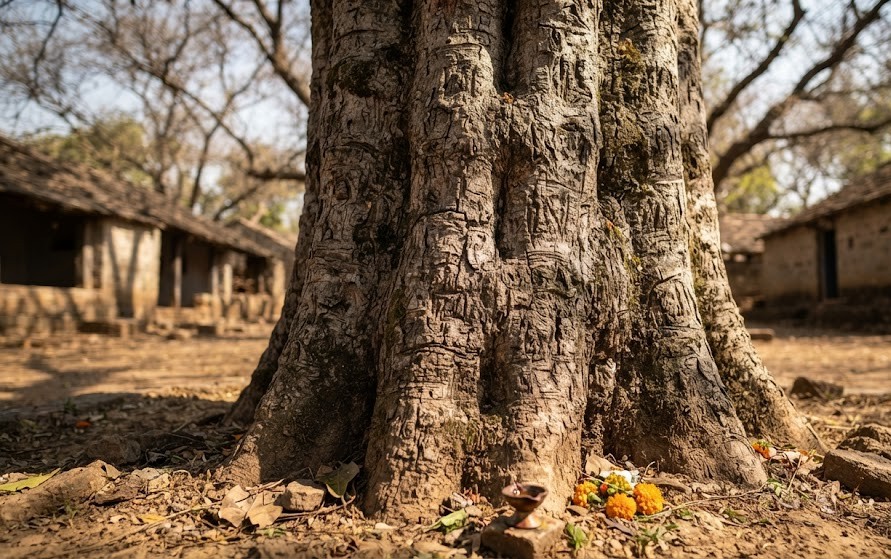
- Maintain Distance: Avoid carving names or climbing the trunk, as the bark is sensitive and the tree is a protected heritage item.
- Practice Photography Responsibly: Capture the beauty of the tree while ensuring you do not disturb the surrounding soil or local ecosystem.
- Learn the Lore: Local guides often share fascinating folklore about the tree, attributing mystical qualities to its longevity and strength.
Enhancing Your Diu Itinerary
The 400-Year-Old Rukhda Tree: Diu’s Most Breathtaking African Gian
The 400-Year-Old Rukhda Tree: Diu’s Most Breathtaking African Gian
While the Rukhda tree is a highlight, it is only one facet of the island’s charm. You might also consider exploring the Diu Fort, a historic landmark that complements the colonial narrative of the region. Integrating visits to historical sites like the fort and the tree creates a well-rounded travel experience that ties together the maritime history of the Indian Ocean.
The 400-Year-Old Rukhda Tree: Diu’s Most Breathtaking African Gian



Comments are closed.